
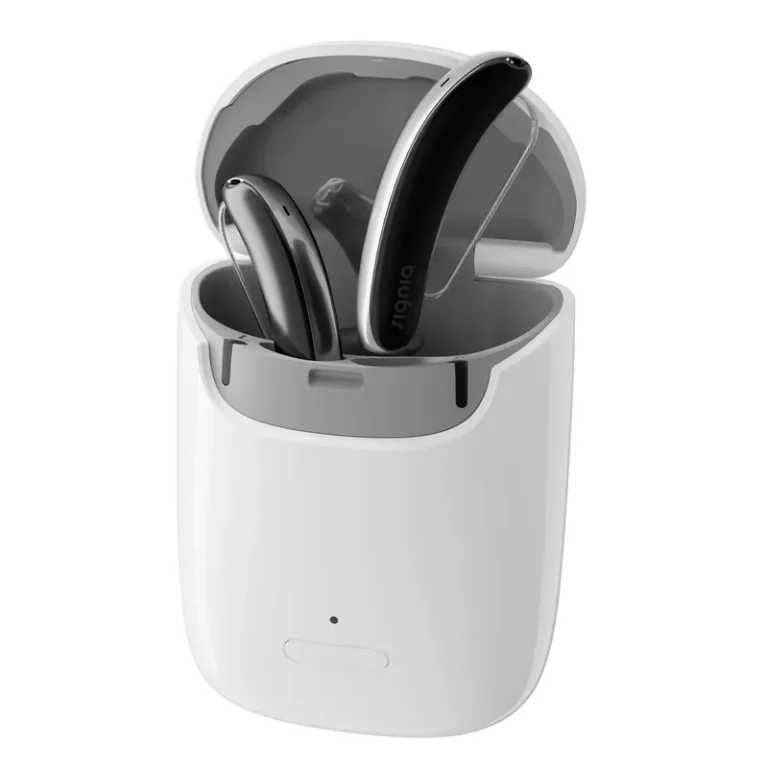
One of the first practical questions people ask when choosing hearing aids is how they will be powered. Should you choose rechargeable hearing aids that sit in a charger overnight, or traditional models that use small disposable batteries? Both options work well, and neither is the “right” answer for everyone. The best choice depends on your hearing needs, your hands and eyesight, your daily routine, and how you like to manage small devices.
At VirtuHear, on South High Street in the West Chester borough, our licensed hearing instrument specialists help patients from across Chester County weigh these options every week. Here is a calm, practical look at how the two approaches compare.
How Battery-Powered Hearing Aids Work
Traditional hearing aids use disposable zinc-air batteries. These tiny button-shaped cells come with a small sticker tab. Once you peel the tab off, air activates the battery, and it begins powering the device. Batteries come in a few standard sizes, and the size your hearing aid uses depends on its style and power needs.
Disposable zinc-air batteries typically last several days to about two weeks depending on size and use. Smaller batteries and heavier daily use, such as streaming phone calls or television audio, tend to drain them faster. When a battery runs low, most hearing aids play a gentle tone to let you know it is time for a change.
Advantages of disposable batteries
- A fresh battery restores full power in seconds, so you are never waiting for a charge.
- Batteries are widely available at pharmacies and grocery stores throughout Exton, Malvern, and West Chester.
- They are easy to pack for travel, with no charger or outlet needed.
Considerations with disposable batteries
- Changing batteries requires some finger dexterity and good near vision.
- You will need to keep a supply on hand and remember to bring spares when you leave home.
- Used batteries should be stored and discarded safely, because they can be dangerous if swallowed by children or pets.
How Rechargeable Hearing Aids Work
Rechargeable hearing aids use a built-in battery, most commonly lithium-ion, similar in concept to the battery in a smartphone. At the end of the day, you place the hearing aids in their charging case, and they are ready again in the morning. Many models offer a full day of use on a single overnight charge, though streaming and heavy use can shorten that.
Advantages of rechargeable hearing aids
- No tiny batteries to handle, which is a real benefit for people with arthritis, limited dexterity, or vision changes.
- A simple nightly routine: take them out, place them in the charger, and you are done.
- No ongoing need to shop for batteries.
- Many rechargeable models pair well with wireless streaming features.
Considerations with rechargeable hearing aids
- You need to remember to charge them, and you will need the charger when traveling.
- If you forget to charge overnight, you may need to wait for a quick charge before heading out.
- Built-in batteries gradually lose capacity over years of use, and replacing one is typically handled through a service or repair process rather than at home.
Questions to Ask Yourself
When patients visit us from Malvern, Exton, Downingtown, or right here in West Chester, we often talk through a few everyday questions. Your answers usually point clearly toward one option.
- How comfortable are you handling small objects? If changing a tiny battery sounds frustrating, rechargeable may be the easier fit.
- What does your typical day look like? Long days with lots of phone calls or streaming may favor a model with strong battery capacity, whichever type that is.
- Do you travel often or spend time away from outlets? Disposable batteries are simple to carry, though portable charging cases also work well.
- Do you prefer a particular hearing aid style? Today even the smallest, most discreet styles we fit, such as the Signia Silk, are available as rechargeable models.
What About Repairs and Ongoing Care?
Whichever power option you choose, hearing aids benefit from regular cleaning and checkups. When a hearing aid needs to be sent out for repair, the process typically takes about one week. During your visits, our specialists can also check your ears for earwax buildup, which can affect how well hearing aids perform. If we find a significant blockage, we will refer you to an appropriate provider for removal.
Some patients also ask about having their hearing aids fine-tuned without an office visit. Remote Hearing Care, available only through Hear.com, allows certain adjustments to be made remotely. We are happy to explain whether this option may apply to your situation.
Making the Decision with Professional Guidance
The power source is only one part of choosing hearing aids. Your type and degree of hearing loss, your listening environments, and your comfort all matter just as much. That is why the best starting point is a thorough hearing evaluation.
At VirtuHear, we offer free hearing evaluations at our West Chester office, and in-home visits are available for patients who find it difficult to travel. You can learn more about what to expect on our hearing test in West Chester, PA page. If you would like a quick first step from home, try our free online hearing screening. You can also find out what your insurance may cover with our free hearing benefit check.
Frequently Asked Questions
How long does a rechargeable hearing aid last on one charge?
Many rechargeable hearing aids are designed to last a full day on an overnight charge. Actual run time varies by model and by how much you stream audio or use wireless features.
How often will I need to change disposable hearing aid batteries?
Disposable zinc-air batteries typically last several days to about two weeks, depending on battery size, the hearing aid’s power needs, and how many hours a day you wear it.
Are rechargeable hearing aids better for people with arthritis?
Often, yes. Because there are no small batteries to handle, rechargeable models are generally easier for people with limited dexterity or vision changes. We can let you try handling different options during your visit.
Can I switch from battery to rechargeable hearing aids later?
Usually this means moving to a different hearing aid model, since most devices are designed for one power type. Our licensed hearing instrument specialists can review your options when you are ready for new hearing aids.
What happens if my hearing aid needs a repair?
We can help you arrange the repair, which typically takes about one week. We will walk you through the process and answer any questions along the way.
Schedule Your Free Hearing Evaluation
Not sure which option fits your life? Call VirtuHear at 484-401-9585 to schedule a free hearing evaluation. Our office is located at 103 S High Street Suite #1, West Chester, PA 19382, and we are open Monday through Saturday, 8 a.m. to 5 p.m. In-home visits are available throughout Chester County. We look forward to helping you hear comfortably and confidently.