
Earwax is normal. It protects and moisturizes the ear canal, and in most people it moves out of the ear on its own. For hearing aid wearers, though, earwax is one of the most common reasons a device sounds weak, muffled, or stops working. A few minutes of routine care can prevent many of these problems.
How Earwax Affects Hearing Aids
Hearing aids sit in or near the ear canal, so they come into regular contact with wax and moisture. Common effects include:
- Blocked wax guards or filters, which can make sound faint or cut it off entirely.
- Clogged sound outlets or domes, which can cause muffled or distorted sound.
- Whistling (feedback), which can happen when wax in the canal reflects sound back toward the microphone.
- Reduced benefit from the device, because wax buildup in the ear itself can block sound before it reaches the eardrum.
Wearing a hearing aid can also make it harder for wax to leave the ear naturally, so some wearers notice buildup more often than before.
A Simple Daily and Weekly Cleaning Routine
Always follow the instructions from your hearing aid’s manufacturer. In general:
Daily
- Wipe the hearing aid with a soft, dry cloth or tissue after removing it.
- Use the small brush that came with your device to gently clear the microphone openings and the sound outlet. Hold the device with the openings facing down so debris falls away.
- Store it in its case or charger overnight, with the battery door open if it uses disposable batteries.
Weekly
- Check the wax guard or filter. If it looks blocked, replace it using the tool supplied by the manufacturer.
- Inspect domes and tubing for wax and wear. Replace domes as directed.
- If you have a behind-the-ear style with an earmold, clean the earmold as your provider showed you.
Things to avoid
- Water, alcohol, or household cleaners on the device unless the manufacturer approves them.
- Pins, toothpicks, or other sharp objects in the openings.
- Hair dryers or other heat sources to dry the device.
Should You Clean Wax Out of Your Ears?
Most ears do not need cleaning inside the canal. Cotton swabs and other objects can push wax deeper and may injure the ear. If you feel fullness, notice a sudden change in hearing, or think wax is building up, it is best to have your ears examined rather than trying to remove wax yourself.
How VirtuHear Handles Earwax
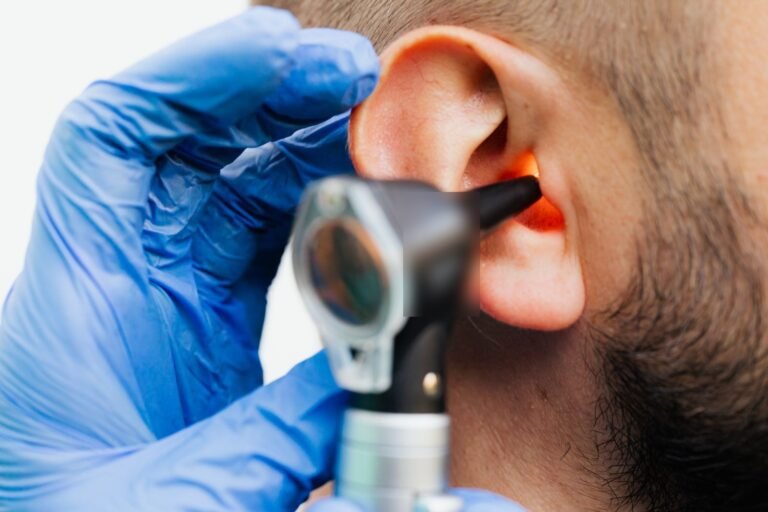
During a visit, VirtuHear’s licensed hearing instrument specialists look in the ear canal and check for earwax buildup. Wax can affect both a hearing test and the fit of a hearing aid, so this check is part of good care.
VirtuHear does not remove earwax. If we see buildup that needs attention, we will let you know and refer you to a physician for removal. Once your ears are clear, we can complete your hearing test or fitting.
When to Get Help With Your Hearing Aids
If your hearing aid still sounds weak after you change the wax guard and clean it, it may need a professional cleaning, adjustment, or repair. Our team can see you at our West Chester office or at home across Chester County, including Exton and Malvern. Some adjustments can be done through Remote Hearing Care.
If you are not sure whether your hearing has changed, a hearing screening is a good first step.
Frequently Asked Questions
Can earwax make my hearing aid stop working?
Yes. A blocked wax guard or sound outlet is one of the most common reasons a hearing aid sounds weak or silent. Replacing the wax guard often fixes the problem.
How often should I change my wax guard?
It depends on the device and how much wax you produce. Check it weekly and replace it whenever it looks blocked, or as your manufacturer recommends.
Does VirtuHear remove earwax?
No. VirtuHear checks for earwax buildup during visits and refers patients to a physician for removal.
Should I use cotton swabs to clean my ears?
It is generally not recommended. Swabs can push wax deeper. If you think you have buildup, have your ears examined.
Schedule a Free Evaluation
Questions about your hearing aids or your hearing? Call VirtuHear at 484-401-9585, Monday through Saturday, 8 to 5, or check your hearing benefits for free. We are at 103 S High Street, Suite #1, in the borough of West Chester, PA 19382.